Orthodox Christians celebrate the start of Indiction – the Church New Year
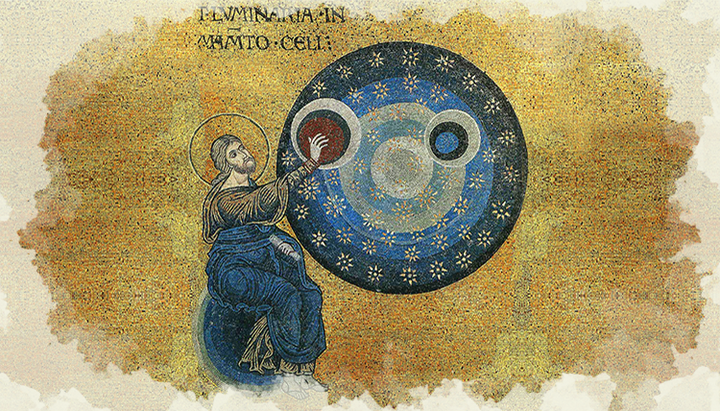
The Church marks the beginning of the Indiction. Photo: volgeparhia
On September 14, 2024, the Church celebrates the beginning of the Indiction, or the ecclesiastical new year (new year’s day).
In Byzantium, which became the successor of Ancient Rome, the new year initially began on January 1. However, in 312 AD, the Christian Emperor Constantine the Great decreed that the new year would be celebrated not on January 1, but on September 1. This was primarily connected with the system of tax collection (indictions, or the indictions of Constantine the Great), marking the beginning of the new fiscal year.
In Rus, the new year began on March 1, but after the Church Council in 1492, both the civil and ecclesiastical years were aligned to begin on September 1. Under Peter the Great, the dates for celebrating the start of the civil and ecclesiastical new years were separated, as the Church did not adopt the new (January 1) date for the new year that was established by the Tsar. After the 1917 revolution, the Gregorian calendar was introduced, and thus, the ecclesiastical new year is now celebrated on September 14 according to the new style.
The Church year is a cyclical system of fasts, feasts, and days commemorating saints, which forms the basis of the liturgical life of the Church. The annual liturgical cycle consists of two types of feasts: fixed and movable. The first major feast in the church year is the Nativity of the Theotokos, and the last is her Dormition. In this way, the Church symbolically marks the first stage of the Incarnation at the beginning of the year, and at the end, it commemorates the passing of the Blessed Virgin Mary into eternal life.
On the very day of the New Year celebration, a special prayer service is held.
The UOJ previously wrote about the leavetaking of the Dormition as a reminder of our own mortality.
Pročitajte takođe
Храм Светог апостола Томе у Лимљанима прославио храмовну славу
Свету литургију на Томиндан служио је игуман брчелски јеромонах Никон Кокотовић
Конференција о теологији митрополита Јована Зизјуласа у Немачкој
Скуп је одржан од 15. до 18. октобра у манастиру Успења Пресвете Богородице у Химелстиру.
Чланице Кола српских сестара из Улциња посетиле Охрид и Солун
Поклоничко путовање обухватило је светиње Охрида, Солуна и манастир Суроти.
Патријарх Порфирије о духовном јединству Срба широм света
Патријарх Порфирије поручио је да географска удаљеност не раздваја верне који су сједињени у Христу и заједничкој молитви Српске Православне Цркве.
Патријарх Порфирије о будућности црквеног живота у Аустралији
Патријарх Порфирије пожелео је да се у местима где живи српски народ у Аустралији подигне што више храмова и да Црква настави да сведочи јеванђељске вредности.
Патријарх Порфирије захвалио епископу Силуану на служењу Цркви и народу
Патријарх Порфирије поручио је да црквену заједницу у Аустралији очекује време мира и развоја, уз захвалност епископу Силуану, свештенству и верном народу.