Fanar is unable to solve the problems of Ukrainian schismatics, – human rights activists
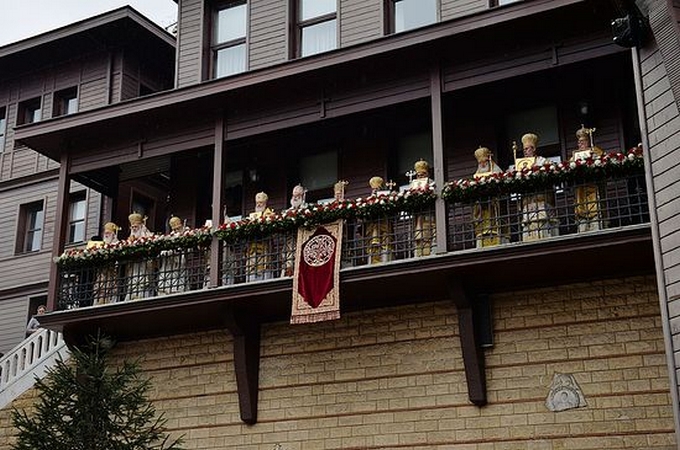
"The confession of the Constantinople Patriarchate having no rights of a legal entity and plenty of unresolved legal and political problems, the design of schemes for recognizing the canonical status or transition to an omophorion of such an organization contains not only the risk of canonical schism, disorganization in the UOC and throughout Ukrainian society, but also lurks serious legal risks associated with the impossibility of establishing legal relations with a religious organization whose legal status is not defined in its jurisdiction," says the site of the organization.
According to the lawyers, statements about negotiations with the Patriarchate of Constantinople by various persons are nothing more than a PR-move, which has no goal of obtaining from Constantinople any real steps towards the religious situation in Ukraine.
"One cannot deny the fact that in case someone gets jurisdictional relations with the Constantinople Patriarchate, this confession being in vulnerable status at the place of its registration (location), can be easily used for various manipulations not only by geopolitical players, but also politicians of a smaller scale, interested in further loosening the situation in Ukraine or receiving PR on religious topics," warn human rights defenders.
At the heart of Fanar's problems is the relationship with the Turkish government, which pursues a systemic policy to limit the rights of the Greek Orthodox minority of Istanbul. Turkey does not recognize the status of "Universality" for the Constantinople Patriarchate, due to which this denomination does not have the rights of a legal entity and cannot register property in the name of its religious organizations.
These problems were aggravated by the seizure of Orthodox churches by the self-proclaimed "Turkish-Orthodox Patriarchate", while the closure of the Theological School in Halki led to the litigation handled by the European Court of Human Rights.
Pročitajte takođe
Реке верника на Калемегдану: Владика Тихон служио у цркви Ружици
Преосвећени Епископ моравички Тихон служио је Свету Литургију у цркви Ружици на Калемегдану, док су хиљаде верника посетиле капелу Свете Петке на њен празник.
Владика Доситеј служио у Вазнесењској цркви на Свету Петку
Преосвећени Епископ липљански и војни Доситеј служио је Свету Литургију у Вазнесењској цркви у Београду поводом празника Преподобне мајке Параскеве - Свете Петке.
Слава цркве Свете Петке прослављена на Чукаричкој падини
Преосвећени Епископ хвостански Алексеј служио је Свету Литургију на Чукаричкој падини поводом храмовне славе цркве посвећене Преподобној мајци Параскеви.
Патријарх уручио орден Светог Саве Геронтолошком центру Београд
На празник Свете Петке, Патријарх Порфирије служио је Литургију у Геронтолошком центру Београд и уручио ордене Светог Саве овој установи и директору др Срђану Димитријевићу.
Митрополит Фотије уручио признање лекарима
Орден Светог краља Драгутина – Преподобног Теоктиста уручен бијељинским лекарима и медицинским радницима.
Ново рукоположење у Карловцу
Архиепископ горњокарловачки Герасим рукоположио је ђакона Бориса Васића у свештени чин презвитера.